Finding out that you may have breast hypoplasia, or insufficient glandular tissue (IGT), can bring a mixture of emotions during pregnancy.
Some parents feel anxious about milk supply. Others may already have experience of low milk production from a previous breastfeeding journey. Many simply want to feel prepared and supported before their baby arrives.
Preparing for breastfeeding with hypoplasia is not about assuming breastfeeding will fail. Many parents with hypoplasia go on to breastfeed successfully, either exclusively or alongside supplementation.
Instead, preparation is about understanding your options, building support early, and reducing stress during the early days after birth.
Understanding Your Feeding Goals
Every feeding journey is individual.
Some parents with hypoplasia will make a full milk supply. Others may make part of the milk their baby needs and combine breastfeeding with supplementation. Some may decide that protecting comfort, bonding, and the breastfeeding relationship feels more important than focusing solely on milk volume.
There is no single right way for a breastfeeding journey to look.
Thinking about your feeding goals during pregnancy can sometimes help you feel more emotionally prepared before your baby arrives. For some parents, exclusive breastfeeding remains the goal. For others, combination feeding feels like a more realistic or emotionally manageable possibility from the outset.
Importantly, needing supplementation does not mean breastfeeding has failed. Breastfeeding can still provide closeness, comfort, regulation, skin-to-skin contact, and emotional connection regardless of how much milk your baby receives at your breast.
Building Your Feeding Support Team
If you know or suspect you may have hypoplasia, antenatal feeding support can be incredibly valuable.
Many NHS trusts have infant feeding teams who are experienced in supporting families with low milk supply and breastfeeding challenges. Speaking with them during pregnancy can help ensure support is already in place before your baby arrives.
Some parents also choose to work with an independent breastfeeding specialist antenatally, particularly if they have had previous feeding difficulties or would like more individualised support.
These conversations can provide space to discuss:
- previous feeding experiences
- realistic expectations around milk supply
- emotional concerns around supplementation
- expressing and pumping options
- protecting the breastfeeding relationship
- plans for early feeding support after birth
For many parents, simply knowing there is a plan and support available can reduce anxiety significantly.
Considering Antenatal Colostrum Harvesting
Some parents with hypoplasia choose to try antenatal colostrum harvesting during the final weeks of pregnancy.
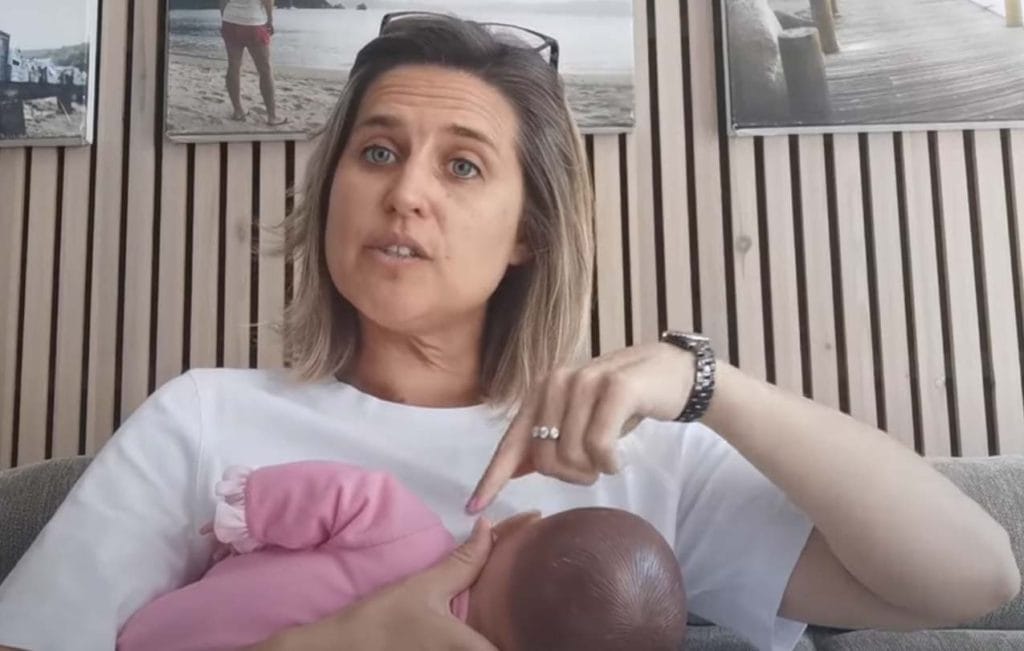
This usually involves hand expressing small amounts of colostrum after around 36–37 weeks of pregnancy if there are no medical reasons not to do so. You can watch my video on hand expressing in pregnancy for guidance on how to hand express.
For some families, having stored colostrum available after birth can feel reassuring, particularly if supplementation becomes needed during the early days.
Colostrum harvesting can also help parents become more familiar with hand expressing before their baby arrives.
However, it is important not to view antenatal expressing as a “test” of future milk supply. Some parents collect larger amounts, some collect very small amounts, and some may struggle to express anything antenatally. This does not necessarily predict how breastfeeding will progress after birth.
Any amount collected can still be valuable, but there should never be pressure to produce a certain volume.
Feeding Equipment You May Find Helpful
Some parents find it reassuring to prepare a few feeding supplies before birth in case they become useful during the early days.
This might include:
- syringes for colostrum
- small feeding cups
- bottles suitable for paced feeding
- slow or gradual flow teats
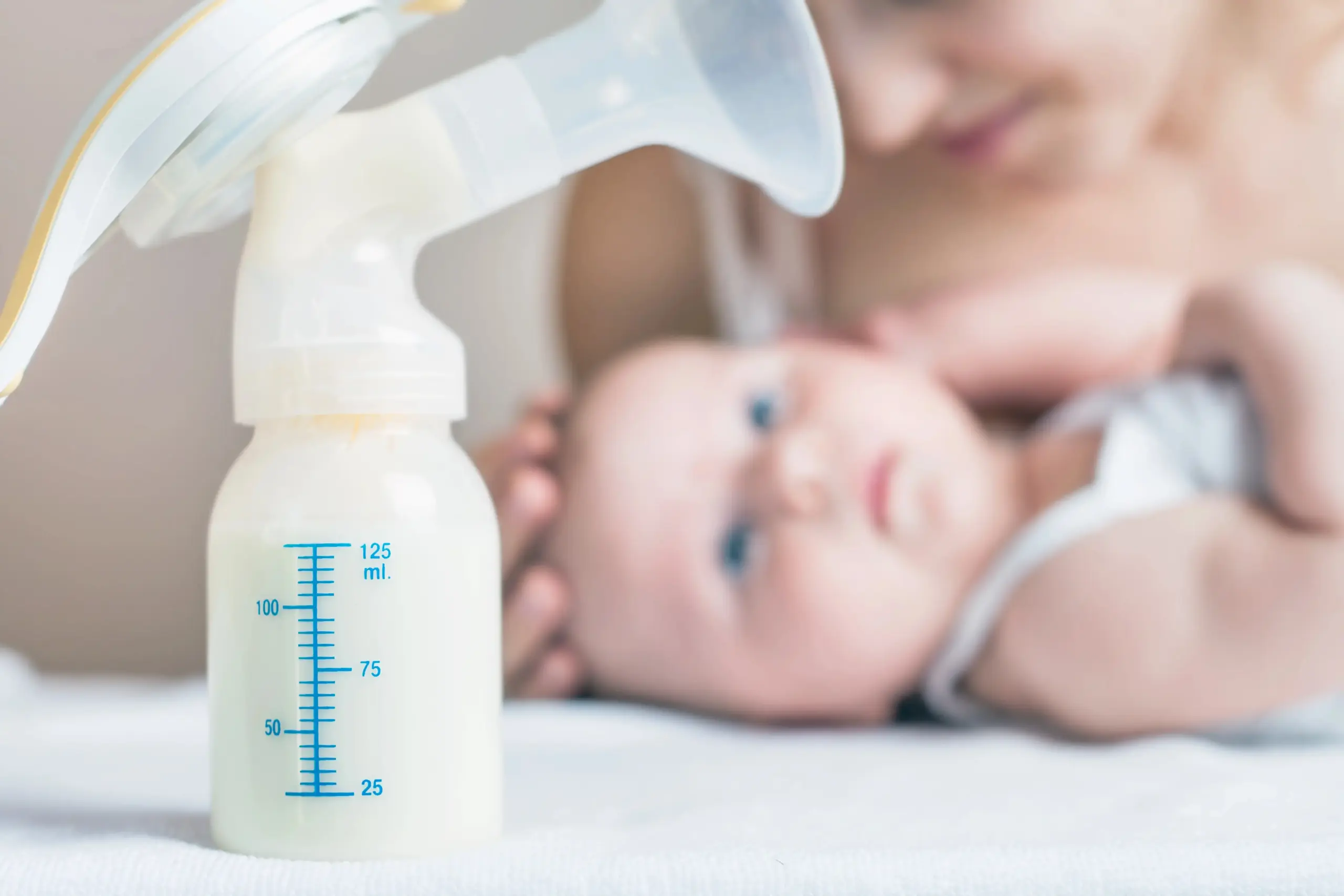
- a breast pump if expressing may become part of the feeding plan
In the first few days after birth, babies naturally take very small volumes of colostrum at each feed, regardless of whether a parent has hypoplasia or not. This is normal and reflects both the concentrated nature of colostrum and the small size of a newborn baby’s stomach.
Because these early feeding volumes are often small, some families choose to use syringes, spoons, or small cups for supplementary feeds during the colostrum stage rather than moving immediately to larger bottle feeds.
In the UK, your midwife will usually be able to provide syringes antenatally if you choose to try colostrum harvesting during pregnancy. Midwives on postnatal wards can also provide syringes and feeding cups after birth if supplementary feeds are needed.
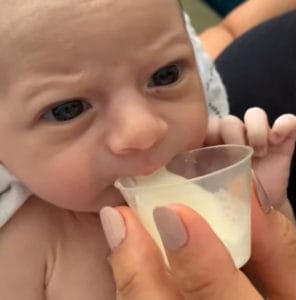
Many parents have never seen syringe or cup feeding before, but your midwife or feeding support team can show you how to use these methods safely and confidently.
If bottles are introduced, using paced feeding methods and slower flowing teats may help babies move more comfortably between breast and bottle feeding. I usually guide families towards using a bottle with a graduated teat.
Having feeding supplies available does not mean you are expecting breastfeeding to fail. For many families, preparation simply helps reduce stress and rushed decision-making if additional feeding support becomes needed unexpectedly.
If regular expressing becomes part of your feeding journey, some parents find that a hospital-grade pump or a high-quality double electric pump is more effective and comfortable than smaller wearable or portable pumps. You can often rent pumps directly from manufactures, hospitals or chemists.
A breastfeeding specialist or infant feeding team can help guide you on what equipment may or may not be useful for your individual circumstances.
Introducing Supplementation While Supporting Breastfeeding
For some parents with hypoplasia, supplementation may become part of feeding during the early days after birth. This can feel emotional, particularly when families worry that supplementation means breastfeeding is coming to an end.
In reality, many families continue to breastfeed successfully alongside supplementation.
When supplementation is needed, feeding support should aim not only to ensure your baby is feeding well, but also to protect your breastfeeding relationship wherever possible.
This may include:
- continuing to offer your breast frequently
- using skin-to-skin contact regularly
- using paced feeding methods if bottles are introduced
- keeping supplementary feeds responsive rather than encouraging large volumes unnecessarily
- expressing milk where appropriate to support ongoing milk production
It is also important to remember that colostrum volumes are naturally small during the first few days after birth, regardless of whether a parent has hypoplasia or not. Newborn babies are designed to feed frequently, and feeding plans should always be guided by the individual baby’s behaviour, wellbeing, weight patterns, and milk transfer rather than rigid expectations around volume alone.
A breastfeeding specialist, infant feeding team, or midwife can help guide supplementation plans in a way that supports both your baby’s nutritional needs and your feeding goals.
What the First Few Days With Your Baby Might Look Like
For many parents with hypoplasia, it can feel reassuring to have a gentle idea of what feeding support during the first few days after birth may involve.
Every feeding plan should be individualised. Some parents with hypoplasia will need very little additional support, while others may benefit from earlier supplementation or expressing plans depending on milk transfer, baby’s feeding behaviour, weight changes, and parental feeding goals.
During the first 72 hours, feeding support may focus on:
- lots of skin-to-skin contact
- frequent opportunities to breastfeed
- observing attachment and milk transfer
- monitoring nappies, feeding behaviour, and weight
- hand expressing or pumping after feeds if appropriate
- using antenatally expressed colostrum if available
- introducing supplementation if needed while continuing to support breastfeeding
- using paced feeding methods if bottles are introduced
It is also important to remember that some weight loss during the first few days after birth is normal for all newborn babies, regardless of whether a parent has hypoplasia or not.
Midwives and feeding teams will usually monitor your baby’s weight alongside feeding behaviour, nappies, alertness, and milk transfer to build a fuller picture of how feeding is progressing.
Weight loss alone does not automatically mean breastfeeding is failing or that supplementation will definitely be needed. Feeding assessments should always consider the whole clinical picture rather than focusing on a single number in isolation.
Having support available and discussing possible feeding plans before birth can often help parents feel calmer and more prepared during this time. Most importantly, feeding plans should remain flexible and responsive to both your baby’s needs and your own wellbeing.
Final Thoughts
Breast hypoplasia can bring uncertainty to pregnancy and early feeding, but preparation and support can help families feel calmer and more confident as they approach birth.
Understanding your options before your baby arrives can make it easier to navigate feeding decisions without feeling overwhelmed during the early postpartum period.
Most importantly, breastfeeding does not need to be “all or nothing” to be valuable. Many parents with hypoplasia go on to have positive, connected, and rewarding breastfeeding relationships with their babies in a variety of different ways.
If you would like personalised breastfeeding support during pregnancy or after birth, you are welcome to contact me. Antenatal feeding support can help parents feel informed, emotionally prepared, and supported as they begin their feeding journey.